
Lace Closures
Lace Closures Manufactured for Professional Collections
Epoche manufactures human hair lace closures for professional sew-ins and wig making. Customize the lace base, parting, density and knot construction around your collection. We develop the hair, color and finishing details through sample confirmation before bulk production.
- Experience
- Manufacturing Since 2004
- Hair Quality
- Virgin & Remy Hair
- Support
- OEM, ODM & Private Label
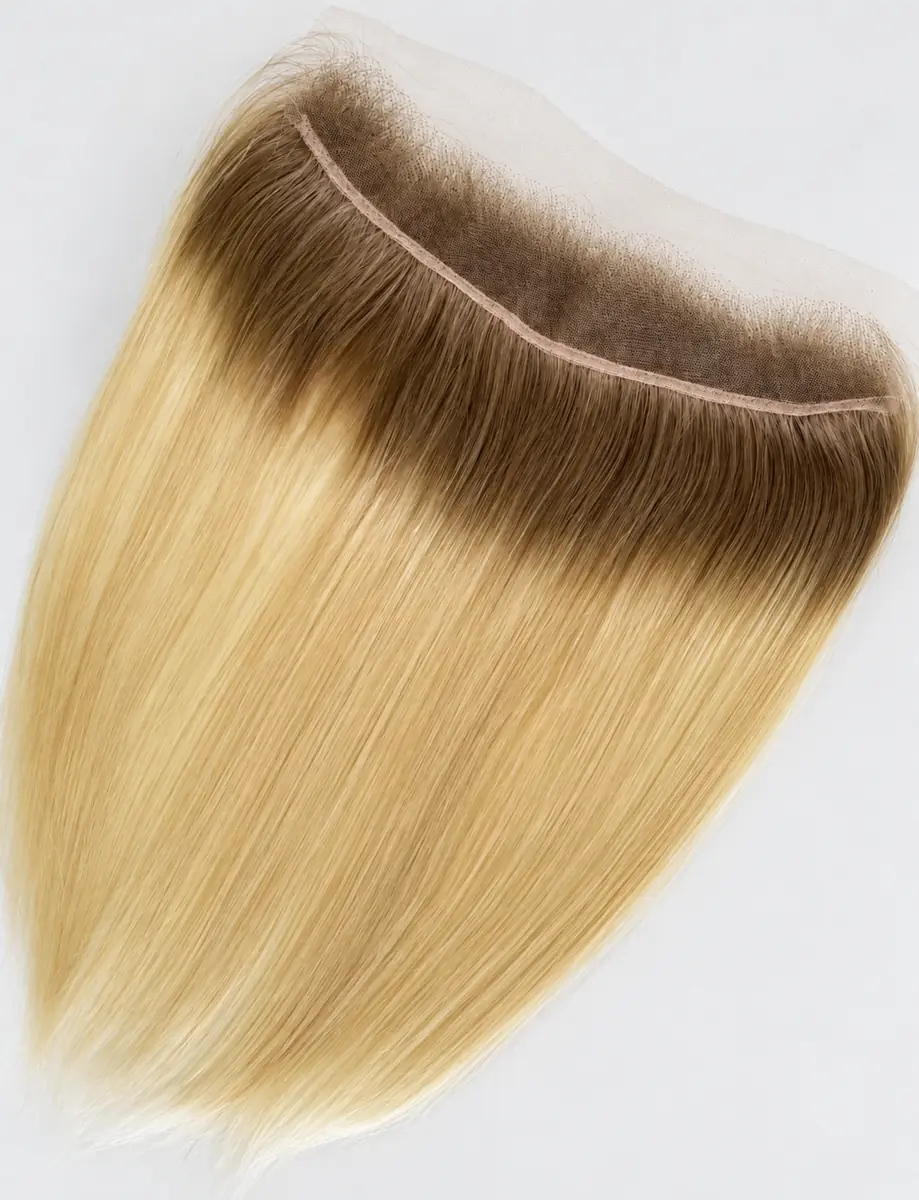
Coverage and Parting
A Lace Base Shaped Around the Finished Style
Base dimensions, parting position and hair direction work together. Define the intended coverage first, then develop the lace and ventilation layout around it.
Professionals can pair lace closures with weft hair or fit them into a custom wig. Confirm the attachment area and fitting method for the selected foundation.
Base Dimensions and Coverage
Common sizes include 4 × 4 and 5 × 5 inches, alongside custom dimensions and shapes. Specify width and depth separately to match the intended coverage.
Also confirm the actual ventilated area and any extra lace around the perimeter. Overall base size alone does not define the usable parting space.
Parting and Ventilation Layout
Choose a middle part, side part, free part or custom ventilation pattern. Align the hair direction with the desired fall and front-edge shape.
For a free-part design, review how the hair moves within the actual lace area. The sample confirms parting flexibility, density and the visible finish together.
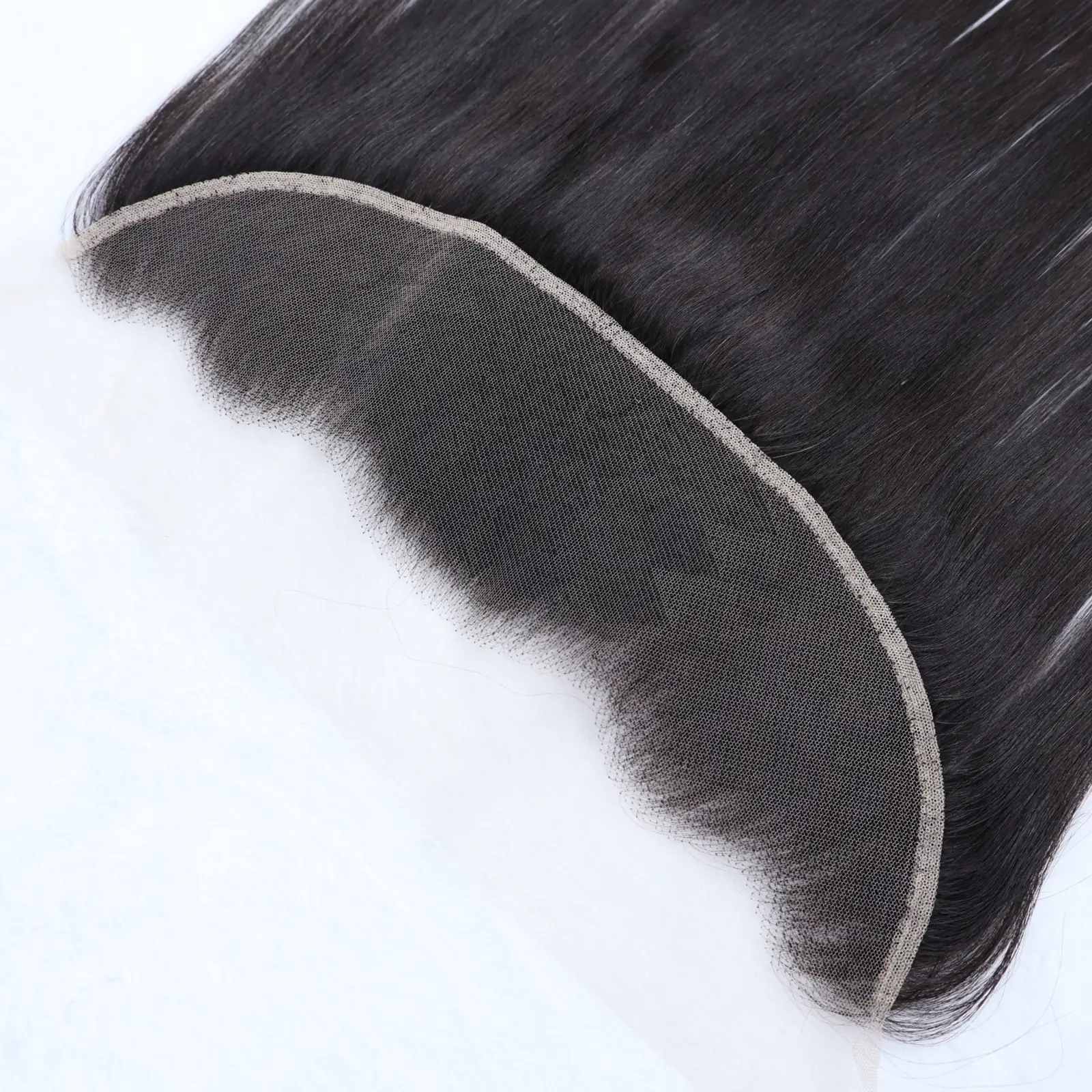
Construction Details
Lace Closures: Mesh, Knots and Hairline Finish
The lace and knot layout influence appearance and hair retention. Review them with the density, parting and edge finish to assess the complete construction.
-
Lace and Edge Finishing
Compare Swiss and HD lace for mesh, flexibility and the intended visible finish. Choose the lace color separately, then review the perimeter and attachment area on the sample.
-
Knot Construction
Specify single, double or mixed knots by area. If selected knots require bleaching, assess the resulting appearance and hair retention together before approving that finish.
-
Density and Hair Direction
Plan density across the front edge, parting, center and perimeter. Coordinate the ventilation direction with the hairstyle, and review fullness through the lengths separately.
-
Hairline Finish
Request a graduated hairline, selected pre-plucked areas or baby hair to suit your collection. Confirm these options alongside the knot pattern and density layout during sampling.
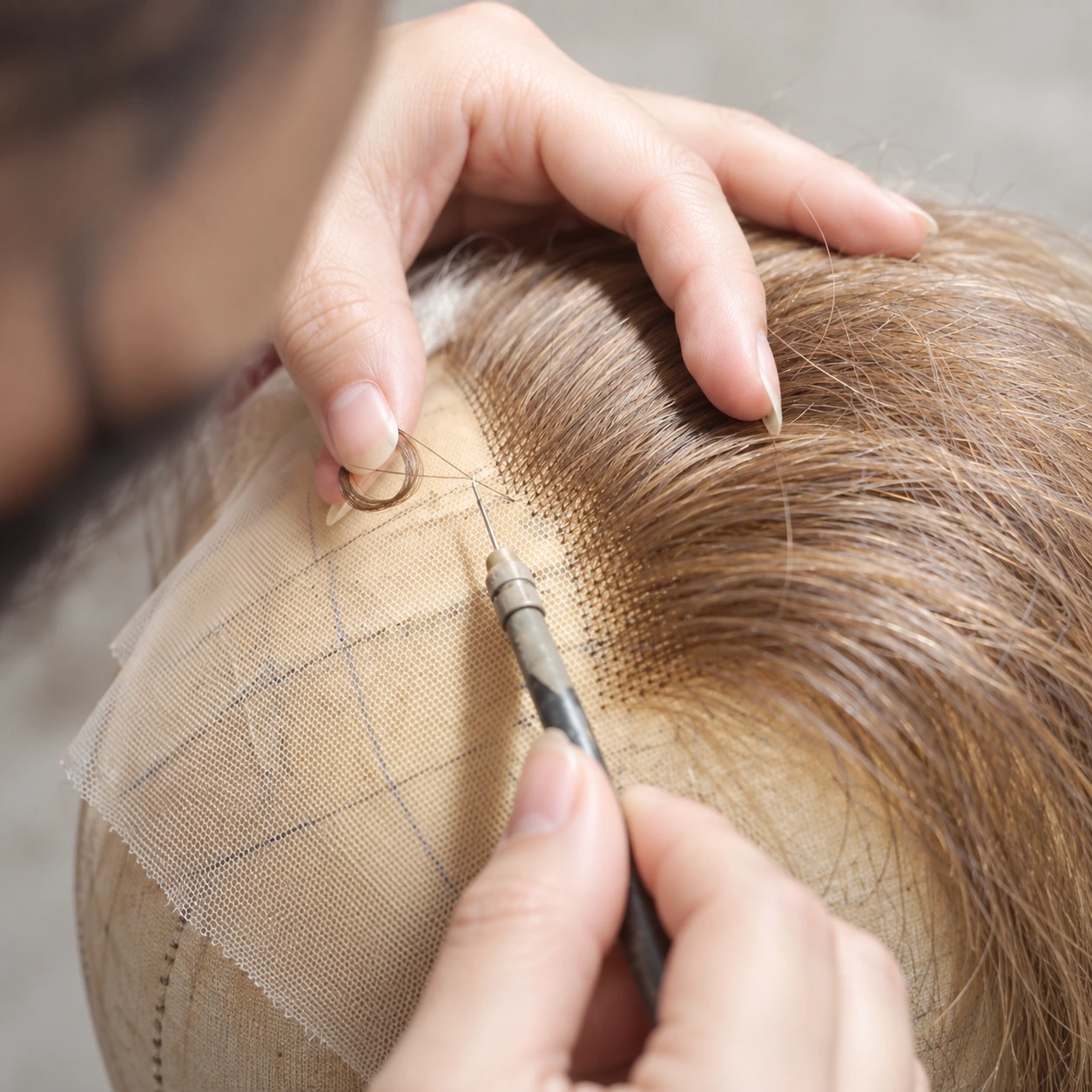
Lace Closure Manufacturing
From Hand Ventilation to a Finished Closure
The approved sample connects the lace, hair and construction choices. Our production team follows that reference through ventilation, finishing and final inspection.
-
Lace Preparation
Prepare the lace around the specified width, depth and shape. Mark the parting and density zones, then support the mesh with controlled tension for hand ventilation.
-
Hand Ventilation
Use a fine hook to knot hair into the lace. Follow the chosen knot construction, hair direction and density pattern across each area of the base.
-
Edge and Hairline Finishing
Complete the perimeter and any agreed hairline detailing. Check the usable parting area and lace edges against the approved design before the final review.
-
Sample Comparison
Check base measurements, knot stability, hair retention, density and color against the approved sample. Review workmanship and the finished appearance before protective packing.
OEM, ODM & Private Label
Custom Lace Closures for Your Brand
Share the coverage, parting and finished appearance you want to offer. We develop the construction, hair specification and packaging around that brief before confirming a production sample.
Hair Quality
Choose Virgin Hair or Remy Hair around your target shade, texture and collection brief. Review the selected quality on the complete closure sample.
Base and Lace
Specify the width, depth, shape, lace type and lace color. Include the intended coverage, ventilated area and attachment margin in the same brief.
Parting and Density
Set the parting position, hair direction and density zones. Add the knot pattern and any optional hairline finish to define how the base should look.
Length and Texture
Develop lengths in two-inch increments with straight or wavy textures. Confirm single-drawn or double-drawn fullness and the long-hair ratio separately from base density.
Color Development
Develop solid, rooted, highlighted, piano, ombré, balayage or custom shades. Use the Hair Extension Color Ring as a starting reference, then approve root depth and color placement on the closure.
Private Label
Coordinate product labels, protective nets, cards, bags and boxes for your brand. Match fitting and care information to the selected lace base and attachment method.
Lace Closure Product
Explore Human Hair Lace Closures
View base options, technical specifications, professional fitting guidance and care details.
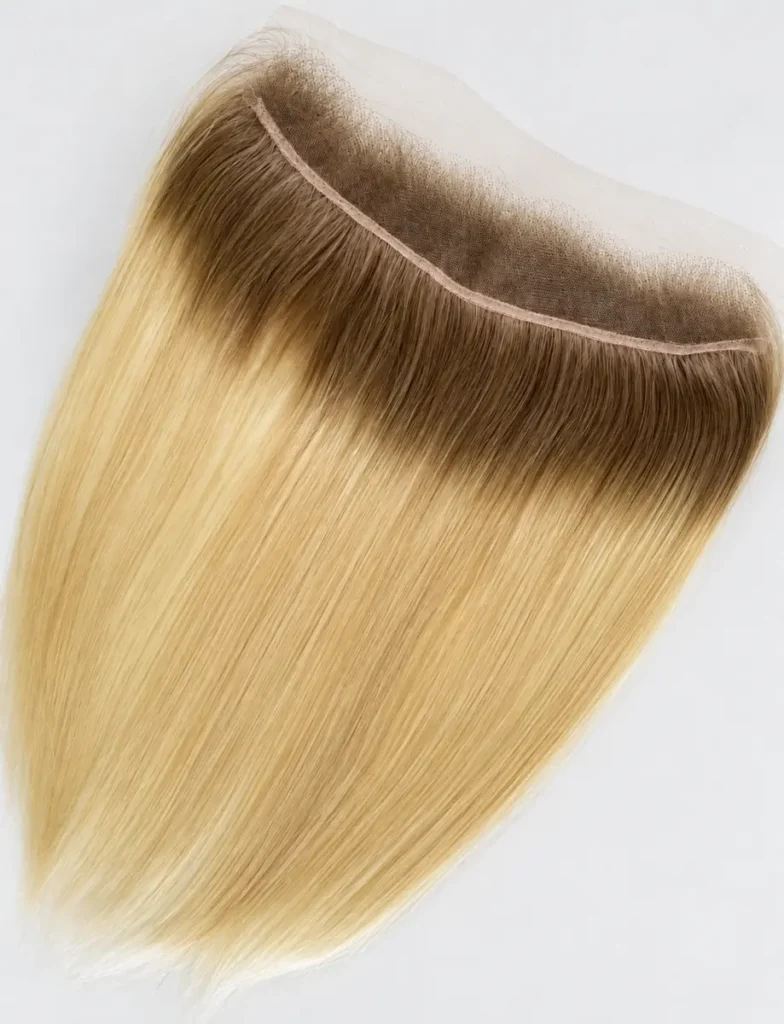
Human Hair Lace Closures
Human Hair Lace Closures offer custom hairline, parting and base coverage for wig making and professional fitting. Choose lace, dimensions, density, texture and color.
Start Your Closure Collection
Ready to Develop Your Lace Closures?
Send your base dimensions, lace choice, parting and density requirements. Include hair length, texture, shade, quantity and packaging to begin a focused sampling discussion.
Premium Human Hair Extensions OEM Manufacturing Private Label Global Supply