
Customizable Closure Coverage
Common 4×4 and 5×5 constructions, as well as customized widths, depths, shapes, and larger coverage areas, can be developed according to the approved specification.
Epoche Hair · Since 2004
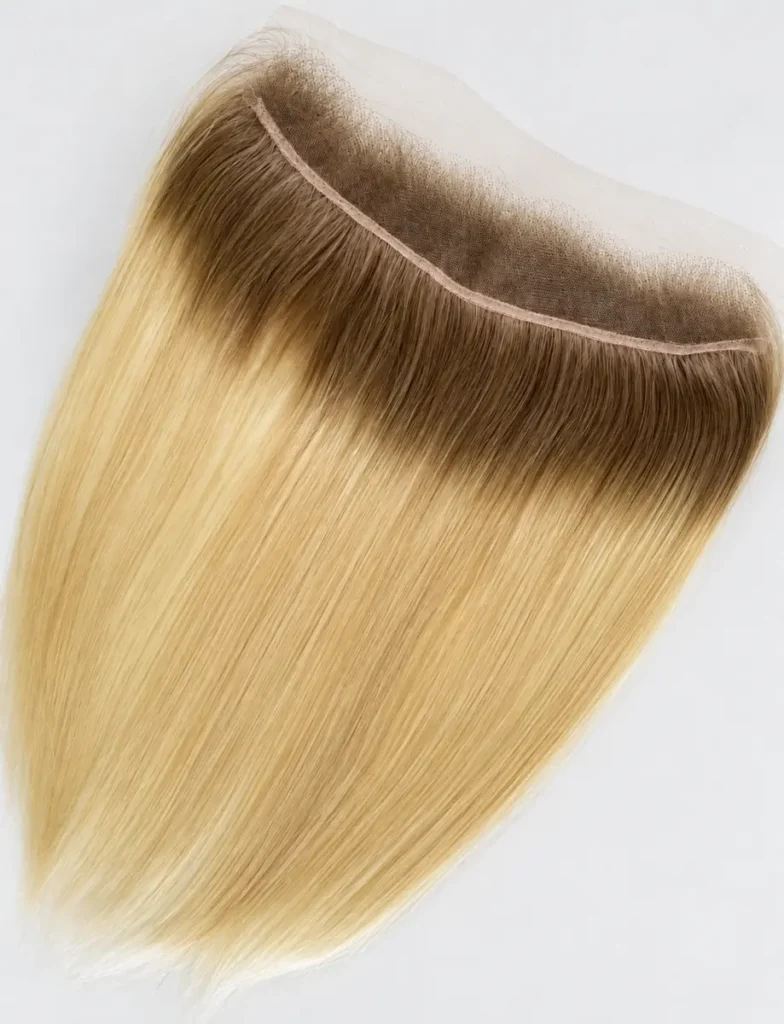
Human Hair Lace Closures offer custom hairline, parting and base coverage for wig making and professional fitting. Choose lace, dimensions, density, texture and color.
Factory Direct · OEM / ODM · Private Label · Global Supply
Product Advantages
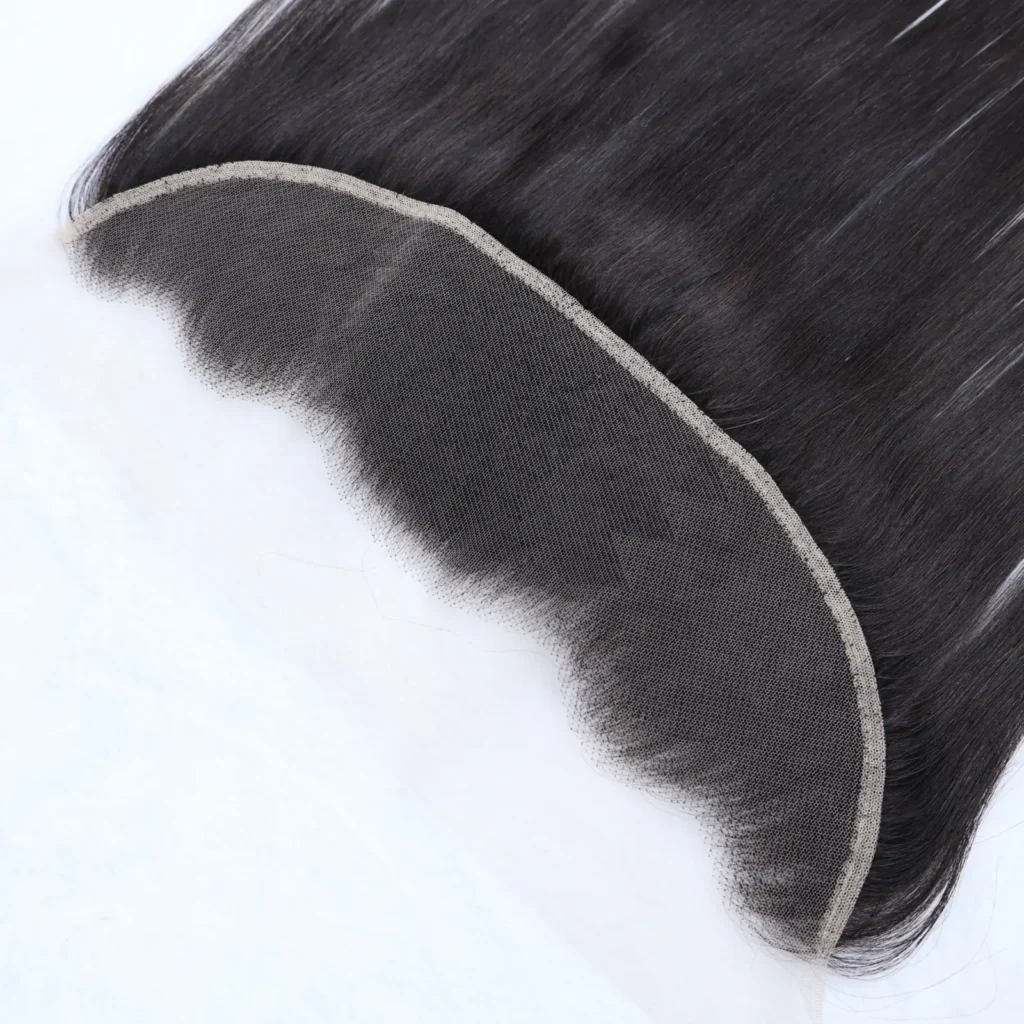
Product Construction Detail 04
Common 4×4 and 5×5 constructions, as well as customized widths, depths, shapes, and larger coverage areas, can be developed according to the approved specification.
Swiss lace, HD lace, transparent lace, and customized lace colors can be selected according to the required thickness, flexibility, appearance, strength, and installation method.
Ventilation direction, spacing, knot size, knot distribution, lace tension, hair retention, and parting layout are controlled against approved product samples.
Free part, middle part, side part, customized ventilation, single or double knots, selected knot bleaching, and optional front-edge finishing can be developed.
Parting density, front-edge density, perimeter density, hair distribution, length, and long-hair ratio are coordinated to support repeatable specifications and sample-to-bulk consistency.
Hair quality, lace dimensions, textures, colors, densities, knot constructions, parting designs, labels, and packaging can be developed through sample confirmation.
Product Specifications
Hair length can be customized in 2-inch increments. Final availability depends on hair quality, color, texture, closure dimensions, density, knot construction, and confirmed sample specifications.
Finished weight depends on closure dimensions, hair length, density, lace material, ventilation spacing, knot construction, long-hair ratio, and approved product specifications.
See Color Development & Matching below for the representative palette and custom matching options.
Parting-area, front-edge, center, and perimeter density can be customized independently. Final density depends on closure dimensions, hair length, lace strength, knot construction, ventilation spacing, hair distribution, and confirmed sample specifications.
Single-drawn and double-drawn configurations are available. Final long-hair ratio depends on hair length, hair quality, color, density, closure dimensions, hair distribution, and confirmed sample specifications.
Designed for professional sew-in and wig-making applications. The closure perimeter may be sewn into a wig cap or prepared foundation, while compatible tape or lace adhesive may be used where required. Installation and removal should follow the confirmed product construction.
Color Options
Representative color options include #4, #60, #613, #P18-60, and #P2-6. Solid, piano, highlighted, rooted, ombré, balayage, and custom-matched colors are available. Final colors are confirmed through sample approval. See the Epoche Hair Extension Color Ring for additional representative color options.
Product Overview
Human Hair Lace Closures combine hand-ventilated hair with a lace base for parting, hairline shaping, and custom coverage. Wig makers and professional installers can match the base to the intended style and fitting method. Different lace dimensions, hair directions, and density layouts support different finished looks.
Base width, depth, and shape determine the area that the piece covers. For example, a wider base and a deeper parting area serve different design needs. Choose these dimensions together with the intended hairline, parting position, and attachment area.
Common sizes include 4 by 4 and 5 by 5 inches, alongside custom dimensions and shapes. However, the overall lace size does not describe every detail of the finished piece. Also confirm the ventilated area and any extra lace around the edge during sampling.
Hair direction helps define how the style falls around the parting and perimeter. Choose a middle part, side part, free part, or a custom ventilation pattern. For a free-part design, review the usable parting space within the actual lace area.
Density can vary across the front edge, parting, center, and perimeter. For example, a graduated front edge can transition into a fuller area behind it. The sample should show this distribution clearly, along with the chosen hair length and texture.
Knot construction also influences the visible finish and hair retention. Single, double, and mixed-knot options allow buyers to specify different areas of the base. If knot bleaching is requested, assess the finish and hair retention together before approving the sample.
Lace options include Swiss and HD lace, with transparent and custom color choices. Compare the mesh, thickness, flexibility, and edge finishing on the sample. Likewise, assess the lace shade against the intended skin tone or wig foundation.
For additional finishing, buyers can request pre-plucked areas, a graduated hairline, or optional baby hair. These details should follow the chosen density and ventilation pattern. They form part of the custom specification rather than a fixed finish across every piece.
Professionals can fit lace closures with weft hair or incorporate them into a custom wig. First, check the base dimensions against the prepared foundation. Then align the parting and hair direction before securing the perimeter.
For a sewn installation, use the attachment area specified for the selected base. Keep the lace flat without stretching the mesh or pulling the edges tight. This helps preserve the intended shape and parting position during fitting.
Compatible tape or lace adhesive may suit selected attachment areas when the construction allows it. In that case, choose the attachment and removal products as a complete system. Follow their instructions alongside the fitting requirements for the lace base.
For daily care, support the lace while gently detangling from the ends upward. Also avoid pulling the brush directly through the knots or catching it on the lace edge. Wash with lukewarm water and a gentle shampoo suitable for the hairpiece.
Keep the lengths aligned during washing, and avoid rubbing or twisting the base. Apply conditioner mainly through the mid-lengths and ends. After rinsing, allow the base and hair to dry fully before storage.
Use heat protection on the hair lengths and keep hot tools away from the lace and knots. For removal, release every attachment before lifting the base. If tape or adhesive is present, use a compatible remover and allow it to release first.
During maintenance, inspect the perimeter, parting area, knots, and attachment points before another fitting. The American Academy of Dermatology also offers general guidance on caring for natural hair while wearing extensions.
Choose Virgin Hair or Remy Hair according to the required shade, texture, and collection brief. Hair lengths are customizable in two-inch increments. Available combinations depend on the base dimensions, density, hair quality, and selected finish.
Texture options include Straight, Body Wave, Natural Wave, and Water Wave. In addition, single-drawn and double-drawn specifications support different levels of fullness through the lengths. Review the long-hair ratio separately from the density across the lace base.
Color development covers solid shades, piano mixes, highlights, rooted colors, ombre, balayage, and custom matches. Browse the Hair Extension Color Ring for a starting reference. Then confirm root depth, shade transitions, and color placement on a finished sample.
OEM and ODM development covers lace dimensions, base shape, lace type and color, knots, density zones, and parting design. Buyers can also specify hairline finishing and attachment compatibility. Private label options include labels, protective nets, cards, bags, and boxes.
Before bulk production, compare the complete sample with the agreed measurements and construction details. Also review the lace edges, knot finish, hair retention, density distribution, and color consistency. Keep the approved sample as a reference for production and repeat orders.
To develop lace closures for your collection, request a sample and quotation. Include the base width and depth, desired coverage, hair length, texture, color, and density layout. This gives the sampling team the information needed to assess your design.
OEM & Customization
We offer OEM, ODM, and private label development for Human Hair Lace Closures.
Customization options include:
Review the finished sample for dimensions, lace quality, knots, density, parting, hair retention, color, and workmanship. We use the approved sample and final specifications as the reference for bulk production.
Care & Longevity
Practical maintenance guidance helps preserve hair quality, protect the attachment area, maintain appearance and support longer service life.
Manufacturing Control
Each sample is developed around defined construction, hair, color and finishing requirements so approved specifications can be carried consistently into bulk production.
Frequently Asked Questions
Human Hair Lace Closures are hand-ventilated hairpieces with a lace base for parting, hairline shaping, and custom coverage. Professionals can fit them with weft hair or incorporate them into wigs. Base dimensions, shape, density, and hair direction follow the intended style and fitting requirements.
Compare the closure and weft hair together for color, texture, length, and fullness. For rooted or highlighted shades, also check root depth, transition, and highlight placement. Review both pieces under the same lighting, then confirm the match on a complete sample before bulk production.
A 4×4 closure provides approximately four inches of width and lace depth, while a 5×5 closure provides a larger parting and coverage area. Exact dimensions, base shape, ventilated area, density, and parting layout should be confirmed through the approved sample.
Yes. Lace material, lace color, closure dimensions, knot construction, ventilation spacing, density zones, free or defined parting, front-edge finishing, optional baby hair, and knot-bleaching level can be customized. Each specification is confirmed according to the required appearance, durability, hair retention, and price positioning.
A closure may be incorporated into a custom wig or professionally installed with weft hair. Its perimeter may be sewn into a wig cap or prepared foundation, while compatible tape or lace adhesive may be used along selected attachment areas. Installation and removal should follow the confirmed product and attachment specifications.
Yes. Review a finished sample for lace quality, knot stability, hair retention, density distribution, color, and workmanship. Share any changes after the review. Once you approve the sample and final specifications, we use them as the production reference.
Start Your Project